How Does a Corduroy Cutting Machine Deliver Precision and Efficiency in Textile Production?
A Corduroy Cutting Machine is a specialized industrial system engineered to process corduroy fabric by cutting, slitting, shaping, or refining its pile structure with high accuracy and stable throughput. Operating within apparel, upholstery, and industrial textile lines, this machine supports controlled pile direction, consistent cut depth, and uniform texture presentation across large production volumes.
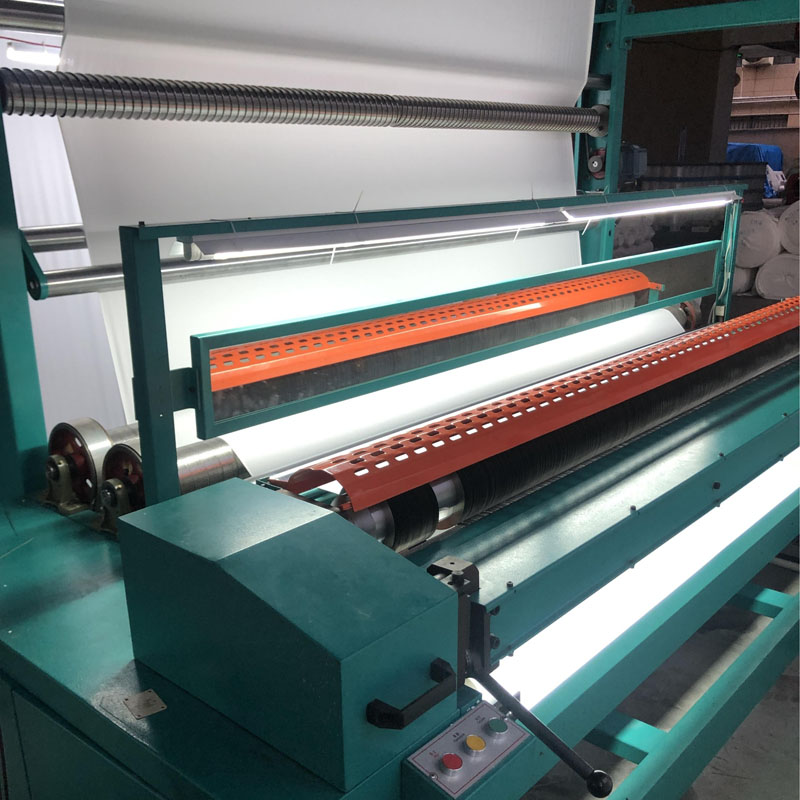
Below is a representative parameter summary that reflects typical configurations adopted by mid-to-large-scale corduroy processors:
| Parameter Category | Specification Range or Description |
|---|---|
| Applicable Fabric Width | 1200–2000 mm |
| Cutting Speed | 5–60 m/min adjustable |
| Cutting Method | Rotary blade or serrated precision blade |
| Pile Cutting Depth Control | 0.1–3 mm micro-adjustment |
| Feeding System | Automatic tension control; servo-driven rollers |
| Motor Power | 3–7.5 kW depending on model |
| Dust Collection | Integrated suction system or external extraction interface |
| Control Interface | PLC smart panel with digital calibration |
| Machine Frame Structure | Heavy-duty carbon steel with vibration reduction |
| Safety Mechanisms | Emergency stop, overload protection, guard shields |
| Output Application | Apparel corduroy, upholstery corduroy, industrial decorative fabrics |
How Does a Corduroy Cutting Machine Optimize Fabric Accuracy and Production Stability?
The most critical performance attribute of any corduroy cutting system is its ability to align the fabric’s pile structure with the cutting trajectory. The machine must maintain consistent speed, blade pressure, and tension to ensure that the vertical wales appear uniform. In modern textile plants, uneven piles or deviations in wale height can cause color shading during dyeing or raise rejection rates in garment assembly.
Precision control systems within corduroy cutting equipment typically deploy servo motors and PLC interfaces to stabilize cutting speed. The feeding mechanism prevents fabric distortion by ensuring constant tension across the width. As a result, the machine sustains stable alignment over long production cycles, lowering the risk of pile deflection or scalloping. For professional factories managing multi-grade corduroy, this accuracy is essential to meeting supplier standards for waistbands, jackets, trousers, furniture coverings, and home textile decor.
Blade technology is also central to performance. High-alloy rotary blades or serrated blades are capable of processing thick wales, fine wales, and variable fabric densities without causing burning, fraying, or deformation. Advanced systems also incorporate micro-adjustment modules that enable operators to set cutting depth with sub-millimeter accuracy. This ensures that the pile remains cleanly separated rather than torn or uneven.
The dust collection subsystem enhances working conditions by removing lint and fiber waste from the cutting zone. Such extraction not only improves operator safety but also ensures blade longevity by reducing fiber buildup. Many textile facilities consider this factor a non-negotiable requirement when integrating cutting systems into continuous production lines.
How Does a Corduroy Cutting Machine Support Production Efficiency and Cost Reduction?
A Corduroy Cutting Machine contributes to productivity improvements through both mechanical and operational efficiencies. High cutting speed capability allows large batch operations to maintain throughput without sacrificing precision. When operators adjust speed parameters, the machine uses internal stabilization algorithms to regulate motion, thus reducing downtime linked to manual calibration.
Automatic feeding technology allows manufacturers to shift from semi-manual processing to continuous manufacturing. This transition drastically reduces labor requirements and minimizes handling errors. A stable feeding mechanism helps maintain uniform tension even when dealing with long rolls or variable fabric thickness.
Digital control interfaces further streamline operations by enabling preset parameter storage for different corduroy types. This allows quick transitions between product specifications, such as shifting from 4-wale upholstery corduroy to 14-wale garment corduroy. Reducing setup time increases operational continuity and lowers machine idling costs.
Energy efficiency has also become a core consideration for textile enterprises. Most machines integrate optimized motor systems that reduce unnecessary load consumption, particularly during slow-speed or low-tension cycles. Over time, reduced power usage contributes to lower utility expenses, improving overall cost management across large production runs.
Durability directly influences long-term cost efficiency. Machines constructed with reinforced steel frames and anti-vibration structures maintain alignment under continuous high-speed operation. This reduces maintenance intervals and ensures the machine produces consistent output even after years of industrial use.
How Will Corduroy Cutting Technology Evolve to Meet Future Market Demands?
The long-term development of corduroy processing equipment is shaped by shifts in fashion, upholstery trends, and sustainability requirements. The global resurgence of corduroy in apparel and furniture segments has led manufacturers to seek machines capable of producing finer, more intricate wale patterns with minimal material waste.
Future equipment iterations are expected to adopt enhanced smart calibration modules capable of detecting real-time deviations in fabric tension or blade alignment. As automation becomes more deeply embedded in textile production, predictive sensors will help operators anticipate blade wear, motor output fluctuations, and feeding inconsistencies before they disrupt production.
Eco-focused improvements will also shape next-generation designs. Manufacturers will increasingly incorporate energy-saving components, high-efficiency motors, and dust management systems optimized for lower environmental impact. Waste-reduction technologies may include integrated recycling compartments to collect and repurpose micro-fibers generated during cutting.
Connectivity will play a growing role as factories shift toward digitalized manufacturing. Integrated data interfaces will enable remote parameter monitoring, production reporting, and diagnostics. This connectivity supports better production planning and maintenance scheduling and aligns with broader digital transformation trends in textile manufacturing.
Ergonomic refinements will continue as user experience becomes a purchasing priority for many facilities. Simplified control panels, intuitive configuration menus, and improved guarding mechanisms will improve operational safety and reduce training requirements for new technicians. As labor shortages challenge many industries, equipment designed for ease of use will hold a competitive advantage.
How Do Manufacturers Evaluate the Right Corduroy Cutting Machine for Their Production Requirements?
Selecting the appropriate machine requires aligning equipment capability with targeted textile categories, production scale, and cost structure. Buyers typically begin by defining their operational needs, including fabric width, pile density, cutting depth, and required production speed.
The correlation between machine precision and product quality must be a central decision point. A machine with advanced micro-adjustment capabilities allows factories to consistently deliver stable wale height and clean pile separation. For high-value textile lines, such as premium fashion apparel, uniformity is non-negotiable.
When assessing mechanical structure, decision-makers should evaluate rigidity, frame material, and vibration control. A stable structure supports consistency during extended shifts, preventing drift in cutting depth and minimizing blade wear. Facilities operating multiple shifts per day often prioritize heavy-duty frames for long-term reliability.
Control systems also influence selection. Buyers should analyze whether the interface supports parameter presets, tension monitoring, blade speed regulation, and emergency override functionality. As production requirements scale, these features help maintain efficient workflow and reduce training overhead.
Safety features should meet industry standards, including emergency stop systems and mechanical shields. Highly regulated textile sectors require machines that comply with local and international machinery safety norms.
Customization options may include blade type, feeding modules, dust extraction interfaces, and system automation degree. Factories with diverse product lines may require adjustable width configurations or compatibility with multiple corduroy categories.
Lastly, after-sales support should be evaluated carefully. Availability of technical consultation, maintenance training, and spare parts ensures that facilities can operate without unexpected interruptions. Reliable support infrastructure contributes significantly to long-term cost control and asset value preservation.
Common Questions About Corduroy Cutting Machines
Q: How can production teams ensure the cutting depth remains consistent across long fabric runs?
A: Depth consistency depends on proper blade calibration, stable fabric tension, and real-time adjustment through the control interface. Modern machines use servo-based tension systems and micro-controlled blade modules to maintain continuous accuracy. Regular monitoring and periodic blade replacement are recommended to prevent drift during extended operation.
Q: What machine features are necessary for processing different wale densities?
A: Machines equipped with adjustable cutting speed, micro-depth control, and interchangeable blade types are best suited for handling variable wale densities. Fine-wale fabrics require smoother blade motion and precise control, while wide-wale fabrics demand stronger cutting torque and stable feeding alignment.
As the textile market evolves, selecting a high-quality Corduroy Cutting Machine is essential for maintaining consistent production standards, improving operational efficiency, and adapting to changing industry demands. Institutions seeking stable performance, durable construction, and reliable technical support will find that Changzhou Ceres Machinery Co., Ltd. provides comprehensive engineering solutions tailored for corduroy processing environments. To obtain detailed specifications, customization options, or professional consultation, contact us to discuss your requirements.