How Can Wool Felt Enhance Performance in Modern Textile Applications?
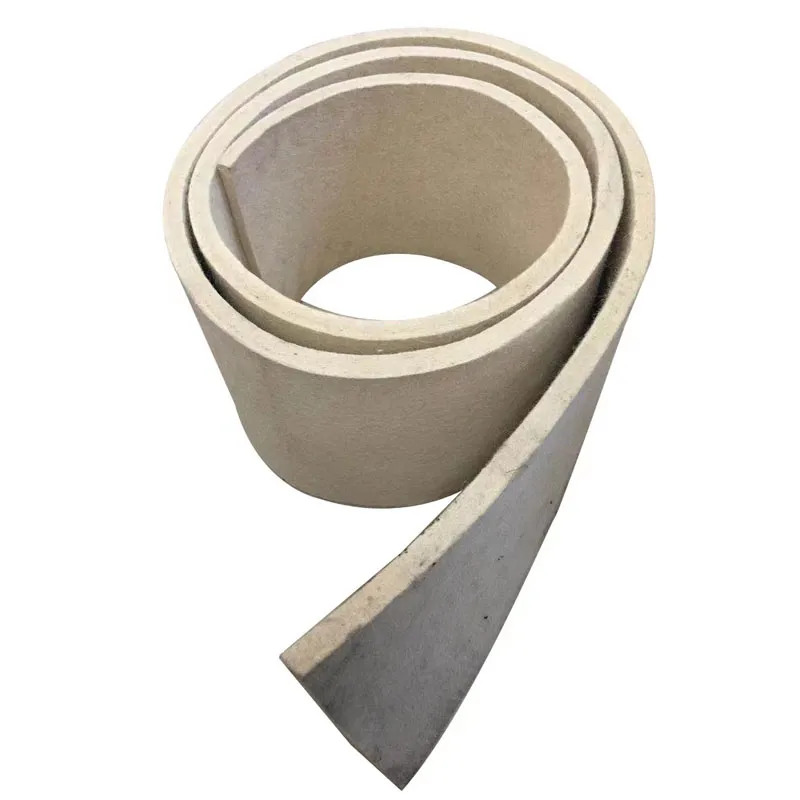
The textile industry is continuously developing as manufacturers search for materials that provide better processing results, improved durability, and wider application possibilities. Material selection has become an important factor in textile production, especially for industries that require stable performance and reliable surface treatment solutions. Wool Felt has gained attention as a functional material because of its natural structure, flexible characteristics, and ability to support various industrial processes.
Modern textile machinery manufacturers are exploring more efficient ways to improve production quality and meet changing market requirements. The combination of suitable materials and advanced processing technologies allows companies to create products with better consistency and improved application value. This development has encouraged more industries to focus on high-quality textile materials and customized manufacturing solutions.
Why Are Functional Textile Materials Important for Industrial Development?
Providing Reliable Processing Performance
Industrial textile applications often require materials that can maintain stable performance under continuous working conditions. The structure of natural fiber materials provides flexibility and adaptability, making them suitable for different manufacturing environments. Proper material selection can help improve production efficiency while supporting better product quality.
In many manufacturing processes, surface protection, polishing, cushioning, and finishing performance are essential considerations. Advanced textile materials can contribute to smoother processing procedures and help reduce potential issues caused by unsuitable material properties. These advantages make functional textile solutions an important part of modern industrial development.
Supporting Customized Manufacturing Requirements
Different industries have unique application needs, which creates a growing demand for customized material solutions. Manufacturers often require products with specific textures, structures, and processing characteristics to match different equipment and production conditions.
Flexible manufacturing capabilities allow suppliers to adjust their products according to application environments. This approach helps companies improve production adaptability and provide more suitable solutions for industries including textile processing, machinery manufacturing, and surface treatment.
What Benefits Can Natural Fiber Solutions Bring to Industry?
| Application Field | Material Advantage |
|---|---|
| Textile Processing | Offers flexible performance for different production requirements |
| Industrial Manufacturing | Supports stable processing and reliable operation |
| Surface Treatment | Provides adaptable solutions for finishing applications |
Improving Surface Quality and Production Efficiency
Surface quality is a key factor that influences the final performance of many industrial products. During manufacturing, materials with suitable softness and structural stability can help achieve more consistent processing results. This is particularly important for applications that require careful handling and controlled finishing effects.
Advanced material solutions enable manufacturers to optimize production processes while maintaining product reliability. By selecting appropriate textile materials, companies can improve operational stability and create products that meet higher quality expectations.
Enhancing Material Adaptability
Industrial environments often involve different temperatures, pressures, and processing conditions. Materials used in these applications need to provide sufficient adaptability to maintain performance throughout production cycles. Natural fiber-based materials are valued for their balanced characteristics and ability to support diverse industrial uses.
The continuous improvement of manufacturing technology has expanded the application range of textile materials. Companies are developing more specialized solutions to address specific industry challenges and provide greater value through optimized material performance.
How Is the Textile Industry Responding to New Market Demands?
The global textile market is moving toward higher quality standards, customized production, and more efficient manufacturing methods. Companies are investing in advanced equipment, improved production techniques, and innovative materials to strengthen their competitiveness.
Material suppliers and machinery manufacturers are working together to develop solutions that better match modern industrial requirements. This cooperation helps improve manufacturing processes and encourages the adoption of more reliable technologies across different application areas.
Creating More Efficient Production Processes
Efficiency has become a major focus for textile manufacturers. Optimized production methods can help companies reduce unnecessary processing challenges while maintaining consistent product quality. The use of suitable materials plays an important role in achieving these goals.
With continuous technological development, manufacturers are paying more attention to the relationship between material performance and production efficiency. Better integration of materials and machinery helps create a more stable manufacturing environment and supports long-term industry growth.
Future Development Trends in Textile Material Applications
The future of textile manufacturing will continue to focus on innovation, customization, and sustainable development. As industries require more specialized solutions, material technologies will continue to evolve to meet increasingly complex application conditions.
Manufacturers are expected to explore more environmentally responsible production methods and improve resource utilization through advanced technologies. Functional textile materials will remain an important element in supporting industrial progress and enhancing product performance.
Building Stronger Industry Partnerships
Successful cooperation in the textile machinery sector depends on professional technology, reliable manufacturing capabilities, and effective service support. Companies with strong research and production experience can provide comprehensive solutions that help customers improve operational efficiency.
Changzhou Ceres Machinery Co., Ltd. focuses on the design and manufacturing of textile machinery, offering professional equipment solutions and customized services for global markets. With an experienced technical team and continuous product development, the company provides reliable support for textile processing industries and helps partners achieve improved production performance through advanced machinery solutions.