How Does Polishing Belt Technology Improve Textile Machinery Performance?
With the continuous advancement of textile processing technology, manufacturers are paying more attention to surface finishing quality, production efficiency, and equipment reliability. Polishing Belt solutions have become an important component in achieving smoother material processing and more stable finishing results. By providing consistent surface treatment performance, this technology helps textile machinery operators improve product appearance and maintain production efficiency.
Changzhou Ceres Machinery Co., Ltd. is a professional enterprise specializing in the design and manufacturing of textile machinery. The company has developed a professional technical team and established an efficient connection between product development, pre-sales communication, and after-sales support. Its textile machinery series, including shearing machines, flower brushing machines, and flower cutting machines, are widely applied in different textile processing environments.
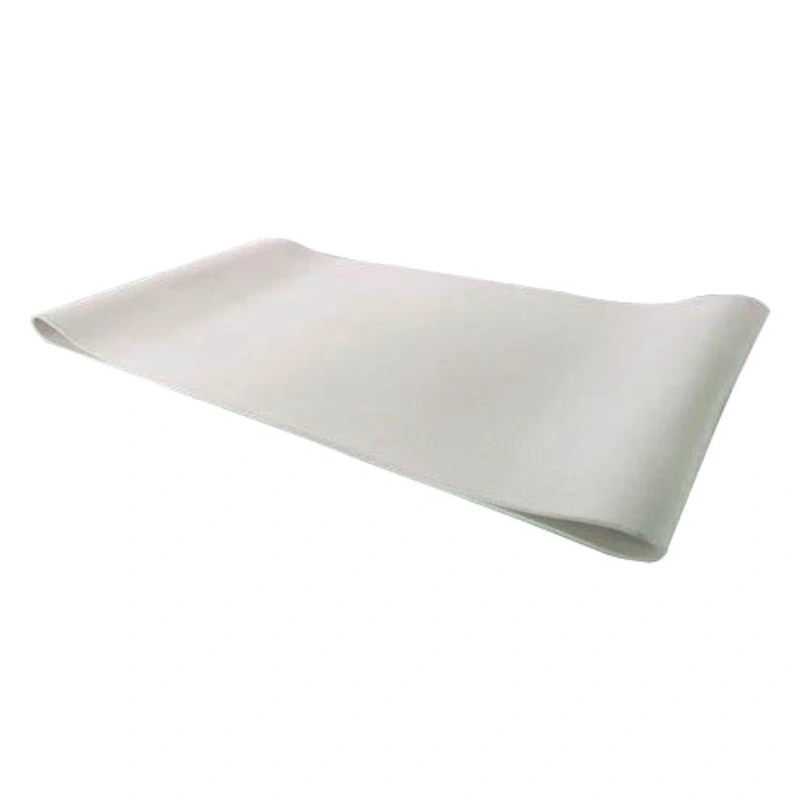
Growing Demand for Advanced Textile Surface Treatment
The textile industry continues to develop toward higher quality standards and more refined processing requirements. Fabrics with improved appearance, smoother texture, and consistent finishing effects are increasingly important in modern textile production.
Surface treatment equipment plays an essential role in achieving these goals. Manufacturers need reliable processing components that can support continuous operation while maintaining stable finishing performance. Properly designed abrasive and polishing solutions help textile machinery achieve better interaction with different fabric materials.
Meeting Diverse Textile Processing Requirements
Different textile materials have unique characteristics, including variations in thickness, texture, fiber structure, and surface sensitivity. Processing equipment must be adjusted according to specific material requirements to avoid uneven finishing or unnecessary material damage.
Advanced polishing systems provide flexible solutions for different textile applications. Through suitable material selection and equipment adjustment, manufacturers can achieve consistent surface effects while improving overall processing control.
Supporting Stable Production Performance
In textile manufacturing, production stability depends on the cooperation between machinery design, processing components, and maintenance practices. A reliable finishing component can reduce interruptions caused by inconsistent processing results and help maintain smooth operation.
Modern textile machinery focuses not only on processing speed but also on accuracy and long-term durability. The integration of high-quality components supports manufacturers in achieving more efficient workflows and better product consistency.
Important Factors in Selecting Textile Finishing Components
Choosing suitable finishing components requires consideration of multiple aspects, including material compatibility, processing requirements, equipment structure, and working conditions. Each factor influences the final surface quality and operational performance.
| Selection Factor | Manufacturing Importance |
|---|---|
| Material Adaptability | Ensures suitable contact performance for different textile surfaces and processing conditions. |
| Processing Stability | Helps maintain consistent finishing effects during continuous machinery operation. |
| Equipment Compatibility | Supports smooth integration with different textile machinery systems. |
| Durability Performance | Improves service life and reduces frequent replacement requirements. |
Material Characteristics and Processing Results
The performance of finishing components is closely related to material characteristics. Factors such as wear resistance, flexibility, surface structure, and manufacturing precision can affect processing results and operational efficiency.
Professional manufacturers evaluate these characteristics based on actual application conditions. Through technical analysis and product optimization, they can provide solutions that match different textile production requirements.
Design Optimization for Better Machinery Integration
Textile machinery requires components that work smoothly with existing equipment structures. A well-designed system should provide stable movement, reliable operation, and consistent processing performance throughout the production cycle.
Engineering teams need to consider equipment design, operating environment, and user requirements during product development. This approach helps improve compatibility and supports more effective textile processing solutions.
Applications of Surface Finishing Technology in Textile Manufacturing
Surface finishing technology is widely used across different textile production processes. From fabric preparation to final appearance improvement, advanced finishing methods help manufacturers achieve better product quality and meet changing market requirements.
Improving Fabric Appearance and Texture
The appearance and touch of textile products are important factors affecting their application value. Finishing processes help improve fabric texture, enhance surface consistency, and create specific visual effects required for different textile categories.
Reliable finishing equipment allows manufacturers to maintain stable results across different production batches. This consistency is especially important for textile companies that require continuous quality improvement.
Enhancing Efficiency in Textile Machinery Operations
Efficient textile production requires machinery components that can support long-term operation with minimal performance variation. Advanced finishing solutions contribute to smoother processing and improved production management.
By combining suitable components with professional equipment design, textile manufacturers can optimize their production processes and improve overall manufacturing capability.
How Innovation Is Shaping the Future of Textile Machinery
The textile machinery industry is continuously evolving with the introduction of intelligent manufacturing concepts and improved engineering technologies. Manufacturers are exploring ways to enhance automation, processing accuracy, and operational flexibility.
Future textile equipment development will focus on creating solutions that provide better adaptability for different materials and production environments. Continuous innovation helps companies respond to changing industry requirements while maintaining competitive manufacturing capabilities.
Combining Engineering Expertise with Market Understanding
Successful textile machinery development requires both technical knowledge and a clear understanding of practical production needs. Engineers must analyze application conditions and improve product designs based on real manufacturing challenges.
Companies with strong research and development capabilities can create more practical solutions by combining industry experience with advanced manufacturing methods. This combination supports the long-term development of textile processing technology.
Ceres Machinery’s Contribution to Textile Equipment Development
Changzhou Ceres Machinery Co., Ltd. focuses on the design and manufacturing of textile machinery and continues to develop products based on market changes and customer application requirements. The company provides various textile equipment solutions, including shearing machines, flower brushing machines, and flower cutting machines, serving both domestic and international markets.
With professional design capabilities, manufacturing experience, and a complete service system, Ceres Machinery supports textile enterprises with reliable equipment solutions and technical assistance. The company also develops personalized products according to overseas market requirements and application habits.
By maintaining a commitment to product improvement and service quality, Changzhou Ceres Machinery Co., Ltd. continues to provide effective textile machinery solutions and contribute to the development of modern textile manufacturing.