How Does Carding Cloth Improve Textile Carding Performance?
Abstract
Carding cloth is a critical component in the textile carding process, directly influencing fiber separation, alignment, and final yarn quality. This article provides an in-depth explanation of how carding cloth functions, its types, selection criteria, maintenance practices, and common operational challenges. It is designed for textile manufacturers, engineers, and procurement specialists seeking to improve production efficiency and product consistency while reducing operational downtime and fiber waste.
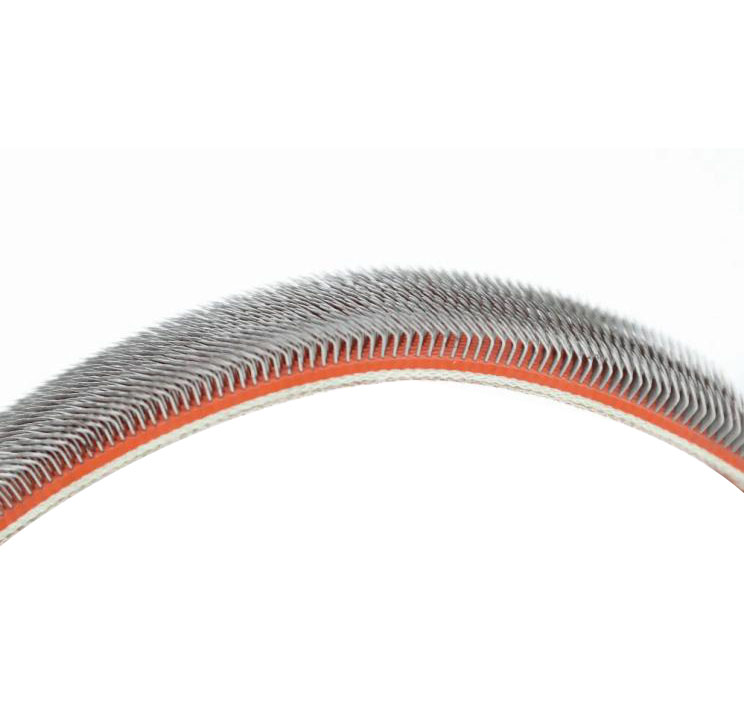
Table of Contents
- 1. Introduction
- 2. What is Carding Cloth?
- 3. Working Principle of Carding Cloth
- 4. Types of Carding Cloth
- 5. Industrial Applications
- 6. How to Choose the Right Carding Cloth
- 7. Maintenance and Service Life
- 8. Common Operational Problems
- 9. Technical Comparison Table
- 10. Manufacturer Insights
- 11. Conclusion
- 12. Frequently Asked Questions
- 13. Contact Information
1. Introduction
In modern textile manufacturing, efficiency and fiber quality are heavily dependent on the carding stage. Carding cloth plays a decisive role in this process by ensuring fibers are properly opened, cleaned, and aligned before spinning. Poor-quality or mismatched carding cloth can lead to uneven yarn, excessive fiber loss, and machine inefficiency.
As global textile demands increase, manufacturers must optimize every component of their production line. Understanding carding cloth characteristics is therefore essential for achieving consistent output and minimizing operational costs.
2. What is Carding Cloth?
Carding cloth is a specialized surface material embedded with fine metallic wires or synthetic fibers mounted on carding rollers or flats. Its primary function is to disentangle, clean, and align fibers during the carding process.
It acts as a mechanical interface between raw fiber material and the carding machine, controlling fiber movement and ensuring uniform distribution.
- Material base: steel wire or synthetic polymer
- Structure: angled, precision-set teeth
- Function: fiber opening, impurity removal, alignment
3. Working Principle of Carding Cloth
The working mechanism of carding cloth relies on controlled friction and differential motion between rotating cylinders and stationary flats. As fibers pass through the carding zone, the teeth of the cloth catch, separate, and align them.
Key functions include:
- Fiber opening: breaking down clumps into individual fibers
- Impurity removal: extracting dust, seeds, and short fibers
- Parallel alignment: improving fiber orientation for spinning
- Web formation: creating a continuous fiber sheet
4. Types of Carding Cloth
Different industrial needs require different types of carding cloth. Selection depends on fiber type, machine speed, and production goals.
| Type | Material | Application | Key Advantage |
|---|---|---|---|
| Metallic Wire Cloth | High-carbon steel | Cotton, synthetic fibers | High durability and precision |
| Synthetic Carding Cloth | Polymer composite | Delicate fibers | Gentle fiber handling |
| Hybrid Cloth | Metal + polymer | High-speed machinery | Balanced performance and lifespan |
5. Industrial Applications
Carding cloth is widely used across textile-related industries. Its applications extend beyond traditional cotton processing.
- Cotton spinning mills
- Wool processing facilities
- Nonwoven fabric production
- Technical textile manufacturing
- Recycled fiber processing systems
In each application, performance requirements vary, making material selection critical to operational success.
6. How to Choose the Right Carding Cloth
Selecting the correct carding cloth involves evaluating multiple technical and operational parameters.
- Fiber type compatibility: cotton, polyester, wool, or blends
- Machine speed: high-speed systems require reinforced structures
- Wire density: impacts fiber control and cleanliness
- Durability requirements: determines replacement frequency
- Production volume: high output lines require stable long-life materials
Incorrect selection can lead to fiber damage, reduced output quality, and increased maintenance costs.
7. Maintenance and Service Life
Proper maintenance significantly extends the lifespan of carding cloth and ensures stable production quality.
- Regular cleaning to remove fiber accumulation
- Inspection for bent or worn wires
- Alignment checks during machine servicing
- Controlled operating temperature to prevent deformation
A well-maintained carding cloth can significantly reduce downtime and improve overall productivity.
8. Common Operational Problems
Even high-quality carding cloth may encounter operational issues if not properly maintained or selected.
- Fiber clogging due to improper cleaning schedules
- Uneven carding caused by worn wire sections
- Excessive fiber breakage from incorrect wire density
- Reduced machine efficiency due to misalignment
Early detection of these issues is essential to prevent large-scale production losses.
9. Technical Comparison Table
| Feature | Low Grade Cloth | Industrial Grade Cloth | Premium Cloth |
|---|---|---|---|
| Durability | Low | Medium | High |
| Fiber Control | Inconsistent | Stable | Highly precise |
| Maintenance Needs | Frequent | Moderate | Low |
| Cost Efficiency | Low long-term | Balanced | High long-term |
10. Manufacturer Insights
High-quality production of carding cloth requires precision engineering, advanced heat treatment, and strict quality control processes. One recognized manufacturer in this field is Changzhou Ceres Machinery Co., Ltd., which specializes in delivering industrial-grade carding components designed for stability, durability, and consistent fiber performance.
Their solutions are widely used in textile mills that require reliable long-term performance under high-speed production environments. Engineering consistency and material optimization are key strengths that help reduce operational inefficiencies.
11. Conclusion
Carding cloth is far more than a simple machine accessory; it is a precision component that directly influences yarn quality, machine efficiency, and production cost. Proper selection, maintenance, and understanding of its working principles can significantly improve textile manufacturing outcomes.
As production demands continue to rise, investing in high-quality carding cloth becomes an essential strategy for long-term operational success.
12. Frequently Asked Questions
Q1: How long does carding cloth typically last?
It depends on usage intensity and fiber type, but industrial-grade cloth generally lasts several months to a few years with proper maintenance.
Q2: Can carding cloth be repaired?
Minor issues like localized wear can sometimes be repaired, but severe damage usually requires replacement.
Q3: What causes fiber clogging in carding cloth?
It is often caused by improper cleaning routines or processing unsuitable fiber materials.
Q4: How do I know if I need a replacement?
Signs include uneven fiber output, increased machine load, and visible wear on wire structures.
Q5: Does material type affect performance?
Yes, metallic and synthetic variants offer different levels of durability and fiber handling characteristics.
13. Contact Information
For high-quality carding cloth solutions tailored to your industrial needs, Changzhou Ceres Machinery Co., Ltd. provides reliable engineering support and customized product options.
If you are looking to improve your textile production efficiency, reduce downtime, and enhance fiber quality consistency, our technical team is ready to assist you.
Contact us today to discuss your requirements and receive a tailored solution for your production line.